People
Advisors
- 7 papersSorensen Family Provost's Professor of Health Services, Policy, and PracticeBrown University School of Public Health
Health services researcher and primary care physician focused on understanding and improving inefficient, inconsistent, and frequently low-quality U.S. health care delivery; current work centers on high-risk prescribing, the organization of primary and specialty care, and care delivery in nursing homes.
MPH and postdoctoral advisor
- 7 papersSusan Dwight Bliss Professor of Public Health and Professor in the Institution for Social and Policy StudiesYale School of Public Health
Researches the intersection of public policy, behavioral health, and health care payment systems, with the goal of expanding access to evidence-based services for individuals with serious and persistent mental illness.
Dissertation chair
- 6 papersProfessor of Medicine (General Medicine), of Emergency Medicine, and of Public HealthYale School of Medicine
Inaugural Director of the Yale Program in Addiction Medicine. Studies the interface between primary care, general healthcare settings, and addiction, focusing on transferring opioid- and alcohol-use-disorder treatment from specialized to office-based, primary care, emergency department, and HIV-specialty settings.
Dissertation committee
- 5 papersDonald G. Millar Distinguished Professor of Alcohol and Addiction StudiesBrown University School of Public Health
Associate Director of Behavioral and Social Sciences at the Brown SPH. Studies access and quality of care for people with mental health and substance use disorders, with a focus on opioid use disorder treatment, health care for people in the criminal-legal system, and bioethics. Has testified before the U.S. Senate and consulted with federal and state agencies on addiction policy.
Postdoctoral advisor
- 3 papersDirector, USC-Brookings Schaeffer Initiative for Health Policy; Margaret T. Morris Professor of Health Economics, EmeritusThe Brookings Institution and Harvard Medical School
Researches the economics of mental health and substance use care, long-term care financing, prescription drug policy, healthcare competition, health-reform implementation, and disability policy. Previously served as Assistant Secretary for Planning and Evaluation at the U.S. Department of Health and Human Services (2014–2016).
MPH advisor
- 2 papersDepartment Chair and Professor of Public Health (Health Policy) and Professor in the Institution for Social and Policy StudiesYale School of Public Health
Studies factors influencing how vulnerable populations access health care resources, focusing on the organization and delivery of services under Medicaid and the extended social safety net, including how local policy environments affect Medicaid enrollees and how safety-net organizations can improve service delivery.
Dissertation committee
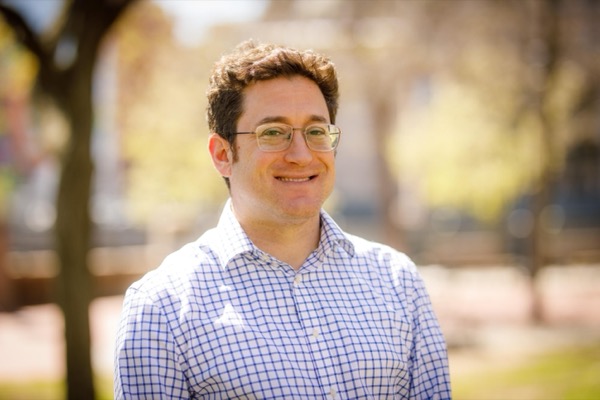
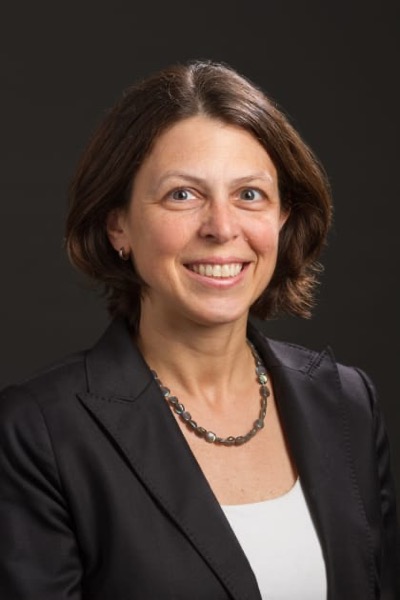
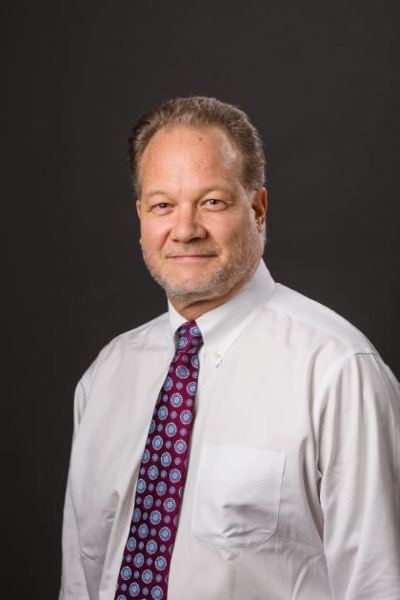
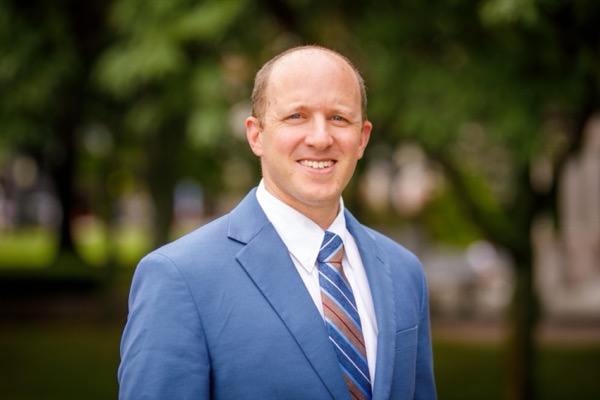
Current and recent collaborators
- 5 papersAssistant Professor, Department of Family Medicine; Adjunct Assistant Professor of Health Policy and ManagementUNC School of Medicine and UNC Gillings School of Global Public Health
Health services researcher who uses multiple methods to characterize variation in access to evidence-based behavioral health treatment and to estimate the impact of payment and delivery reforms on treatment access and quality.
- 3 papersSenior Medical Director for Substance Use Disorder, Mass General Brigham; Associate Professor of Medicine, Harvard Medical SchoolMass General Brigham and Harvard Medical School
Cares for patients with addiction in general medical settings and works to integrate substance use disorder treatment into mainstream health care. Leads MGH's Substance Use Disorder Initiative and the Mass General Addiction Medicine fellowship.
- 3 papersResident Physician (PGY-2), Department of Emergency MedicineYale School of Medicine
Emergency medicine resident at Yale. Graduated from Oregon Health & Science University's MD/PhD program in 2023; doctoral training in biomedical engineering. Research focuses on statistical modeling and health equity, including adolescent residential addiction treatment access.
- 3 papersProfessor of Medicine; Chief, Addiction Medicine Section; Program Director, Addiction Medicine FellowshipOregon Health & Science University
General internist and addiction medicine specialist. Leads OHSU's Addiction Medicine Section. Research integrates addiction prevention and treatment across HIV clinics, primary care, rural communities, and hospitals, including buprenorphine and naltrexone implementation, harm reduction, and peer-engagement overdose prevention. Two-time Fulbright Scholar (Vietnam 2012–13; Spain 2022).
- 3 papersAssociate Professor of Medicine and Pediatrics; Medical Director, CATALYST ClinicBoston University Chobanian & Avedisian School of Medicine
Pediatrician, internist, and addiction medicine specialist. Founder and Medical Director of Boston Medical Center's CATALYST (Center for Addiction Treatment for Adolescents/Young adults who use SubsTances) Clinic, integrating substance use care with primary care. Research focuses on engaging young people who use drugs, and their families, in treatment to reduce overdose risk.
- 3 papersChief, Division of Adolescent and Young Adult Medicine; Associate Professor of PediatricsMass General for Children and Harvard Medical School
Triple board-certified (general pediatrics, adolescent medicine, and addiction medicine) pediatrician studying youth substance use, medication treatment for opioid use disorder in adolescents and young adults, gun injuries, and LGBTQ+ health. Recognized by the American Academy of Pediatrics as an Emerging Leader in Adolescent Health.
- 3 papersPhD Candidate, Health Policy Program (Economics track)Harvard Kenneth C. Griffin Graduate School of Arts and Sciences
PhD candidate in Harvard's Health Policy program studying the economics and financing of behavioral health care, including clinician non-participation in public insurance. Previously a research project and data assistant in the Department of Health Policy and Management at Harvard T.H. Chan School of Public Health, where she co-authored audit-style studies of US residential addiction treatment programs. NBER Aging & Health Economics dissertation fellow (2024–25).
- 2 papersAssistant Professor (clinician-educator), Internal Medicine; Yale Program in Addiction MedicineYale School of Medicine
Internal medicine and addiction medicine specialist on the Yale Addiction Medicine Consult Service. Research and clinical work focus on lowering barriers to medications for opioid use disorder, improving care for alcohol withdrawal, and making hospital care less stigmatizing for people who use drugs.
- 2 papersProfessor of Medicine, Division of Hospital MedicineOregon Health & Science University
Founder and Principal Investigator of IMPACT, a nationally recognized model for hospital-based addiction care that integrates physicians, social workers, and peers with lived recovery experience. Works at the intersection of addiction, health system transformation, and public health.
- 2 papersAssociate Professor of Medicine, Division of General Internal MedicineOregon Health & Science University
Health services researcher whose work examines healthcare access and quality, with a focus on mental and behavioral health services and the effects of provider incentives and organizational structure on care delivery. PI on multiple NIH and AHRQ R01 grants.
- 2 papersAssociate Professor of Psychiatry; Associate Program Director, Addiction Psychiatry ResidencyYale School of Medicine
Addiction psychiatrist and clinician-investigator. Medical Director of the Substance Use & Addiction Treatment Unit (SATU) at the Connecticut Mental Health Center; investigates and disseminates therapies for opioid, tobacco, and alcohol use disorders, including treatment of co-occurring addiction and psychiatric disorders.
- 2 papersSenior Physician Policy Researcher; Director of the RAND-USC Schaeffer Opioid Policy CenterRAND Corporation
Senior physician-policy researcher at RAND focusing on behavioral health and substance use disorder treatment policy. Directs the RAND-USC Schaeffer Opioid Policy Center and studies how Medicaid coverage, regulation, and the provider workforce shape access to opioid use disorder treatment.
- 2 papersAssociate Professor of Health Policy and ManagementJohns Hopkins Bloomberg School of Public Health
Health policy researcher at JHSPH. Studies mental health and substance use disorder policy, including parity laws, Medicaid coverage, and the social and policy environments that shape access to behavioral health care.
-
Fifth-year PhD candidate in Health Policy and Management at Yale. Studies the intersection of health policy, service delivery, and health outcomes, with attention to mental health and substance use treatment, including Medicare and Medicaid reforms, mental health parity laws, and public insurance consolidation.
- 1 paperAlice Y. Hung President's Distinguished Professor; Professor of Health Care Management and of ManagementThe Wharton School, University of Pennsylvania
Studies social networks, social influence, and organizational dynamics in healthcare, including the diffusion of mental health diagnoses and the treatment of substance use disorders. PI on multiple NIH-funded projects; published in JAMA, Health Affairs, Administrative Science Quarterly, and American Sociological Review. Author of *Social Chemistry: Decoding the Elements of Human Connection*.
- Taylor Holdaway1 paperPhD Candidate, Health Care Management and EconomicsThe Wharton School, University of Pennsylvania
PhD candidate in Health Care Management and Economics at the Wharton School. Studies private equity investment and consolidation in healthcare delivery, including effects on substance use disorder treatment access and quality.
- 1 paperPhD Candidate, Health Care Management and Economics; Penn LDI Associate FellowThe Wharton School, University of Pennsylvania
PhD candidate in Health Care Management and Economics at the Wharton School and Associate Fellow at Penn LDI. Studies the economics of healthcare delivery, including private equity acquisition in addiction treatment.
- 1 paperBiostatistician, Center for Health Systems EffectivenessOHSU School of Medicine
Biostatistician at OHSU's Center for Health Systems Effectiveness. Designs and analyzes administrative-data and primary-data studies on access to primary care and behavioral health treatment across Medicare and Medicaid populations.
- 1 paperAssistant Professor of MedicineOHSU School of Medicine, Division of General Internal Medicine and Geriatrics
Quantitative methodologist focused on addiction medicine research at OHSU's Division of General Internal Medicine and Geriatrics. Collaborates on studies of treatment access for adolescent and adult substance use disorders, including the residential addiction treatment landscape in the US.
-
Health policy researcher focused on Medicaid policy, healthcare access among marginalized populations, and health equity. Uses large administrative healthcare datasets to study the emergency department as a Medicaid safety net, the impact of ACA Medicaid expansion, and drug overdose mortality measurement. PhD in Health Services Research and Policy, University of Rochester; postdoctoral training at Harvard Medical School Department of Health Care Policy.
- Richard L. Menschel Professor of Health Economics and PolicyHarvard T.H. Chan School of Public Health, Department of Health Policy and Management
Health economist studying how public policies and regulations affect Medicare and Medicaid populations, including state regulation of opioid prescribing, the care of people with opioid use disorder, transitions of care for children with disabilities, and rising disparities in mortality and life expectancy. Research Associate at NBER and elected member of the National Academy of Medicine and the National Academy of Social Insurance. PhD in Economics from Harvard.
- Henry J. Kaiser Professor of Health Care PolicyHarvard Medical School, Department of Health Care Policy
Health economist whose research spans mental health and substance use disorder policy, prescription drug policy, and the financing and utilization of end-of-life care services. Director of the Training Program in Mental Health Policy at Harvard. PhD in health policy from Harvard.
- Senior Research ScientistBrown University School of Public Health and Mathematica
Health-services researcher working on data quality in Medicaid claims, including replication of opioid use disorder treatment metrics across the Transformed Medicaid Statistical Information System Analytic Files (TAF), and on healthcare leadership, management, and resilience during crisis. MSc in Economics from the Lahore University of Management Sciences.
- Associate Professor of Medicine; General Internist and Clinical Investigator in Addiction MedicineBoston University Chobanian & Avedisian School of Medicine and Boston Medical Center, CARE Unit
Health-services researcher and addiction medicine clinician whose work focuses on the safety of opioid prescribing and the recognition and treatment of opioid use disorder. Co-hosts the "Behind the Evidence" addiction medicine podcast. MD from the University of Pittsburgh; MPH and General Medicine fellowship from Harvard.




Other coauthors
- O'Rourke A
- Ruby Aaron , MPH, Researcher at OHSU OHSU researcher (MPH) collaborating on health-services studies of primary care access and behavioral health treatment in Medicare and Medicaid populations.
- Katrina Aberizk , MA, PhD Candidate at Emory University, Department of Psychology Doctoral researcher in psychology at Emory University. Studies neurocognitive and clinical risk factors for the development of psychotic disorders.
- Gordon AJ
- Michal Assaf , MD, Associate Adjunct Professor of Psychiatry; Director of the Autism and Functional Mapping Lab at Yale School of Medicine and the Institute of Living, Hartford HealthCare Director of the Autism and Functional Mapping Lab at the Olin Neuropsychiatry Research Center, with appointments at Hartford Hospital and Yale. Uses neuroimaging to study social and reward processing in autism and psychotic disorders.
- Griffin BA
- Jennifer Barrett , LCSW, Clinical Director at Beehive Counseling and Wellness Licensed clinical social worker and Clinical Director at Beehive Counseling and Wellness in Connecticut, specializing in child and family therapy, trauma, and perinatal/infant mental health. Previously a research staff member at the Olin Neuropsychiatry Research Center.
- Colleen Barry , PhD, Inaugural Dean, Jeb E. Brooks School of Public Policy at Cornell University Inaugural Dean of the Jeb E. Brooks School of Public Policy at Cornell. Health policy researcher focused on mental health, substance use, and stigma; previously chair of the Department of Health Policy and Management at Johns Hopkins Bloomberg School of Public Health.
- John Blangero , PhD, Professor of Human Genetics; Director of the Genomics Computing Center at South Texas Diabetes and Obesity Institute, University of Texas Rio Grande Valley Statistical and human geneticist studying complex disease genetics in family-based and minority populations, including the Mexican American Family Study; develops methods to detect genetic and environmental contributions to cardiovascular disease, depression, and liver disease.
- Gregory Book , Senior Research Technologist, Olin Neuropsychiatry Research Center at Institute of Living, Hartford HealthCare Senior Research Technologist at the Olin Neuropsychiatry Research Center, providing imaging-systems and data infrastructure support across studies of psychiatric and substance use disorders.
- Patrick C.M. Brown , MD, MCR, Addiction Medicine at OHSU School of Medicine Addiction medicine physician-researcher at OHSU School of Medicine. Studies treatment access and quality for adolescent and adult substance use disorders.
- Sebastiano Buccheri , MD, Internal Medicine at Prime Healthcare Internal medicine physician at Prime Healthcare in West Hartford. Previously a research staff member in the Glahn / ADAPTING Lab at the Olin Neuropsychiatry Research Center.
- Dana Button , MD, Researcher at OHSU School of Medicine Researcher at OHSU School of Medicine collaborating on health services studies of adolescent and adult addiction treatment.
- John Carnevale , PhD, Founder and Senior Advisor at Carnevale Associates Founder and Senior Advisor at Carnevale Associates, a research and policy consultancy in drug and behavioral health policy. Previously senior staff at the White House Office of National Drug Control Policy where he led national drug strategy development.
- Alexandra Do , MD, Primary Care at OHSU Primary care physician at OHSU. Collaborates on health-services research examining access to and quality of primary care.
- Theo van Erp , PhD, Professor in Residence; Director of the Clinical Translational Neuroscience Lab at UC Irvine, Department of Psychiatry and Human Behavior Professor in Residence at UC Irvine and Director of the Clinical Translational Neuroscience Lab. Uses neuroimaging, machine learning, and large multi-site consortia (ENIGMA) to study schizophrenia and related psychotic disorders.
- Emily Feinstein , JD, Executive Vice President at Partnership to End Addiction Attorney and Executive Vice President at Partnership to End Addiction. Works on federal and state health policy related to addiction prevention, parity enforcement, and treatment access.
- Magan G
- David Glahn , PhD, Chief of Research, Department of Psychiatry and Behavioral Sciences; Director, Tommy Fuss Center for Neuropsychiatric Disease Research at Boston Children's Hospital and Harvard Medical School Studies the genes and environmental mechanisms that predispose to affective and psychotic disorders, using neuroanatomic, functional neuroimaging, and neurocognitive approaches in large-scale family studies, with a focus on early identification of risk during childhood and adolescence.
- Emmanuel Greenberg , MD, Internal Medicine Resident at UCSF Internal medicine resident at UCSF; medical degree from OHSU. Contributed to research on Medicare beneficiaries' access to primary care.
- Gabrielle de la Guéronnière , JD, Vice President for Health and Justice Policy at Legal Action Center Vice President for Health and Justice Policy at the Legal Action Center. Develops and advocates for federal and state policy reforms to expand access to substance use disorder treatment, particularly for people involved with the criminal-legal system.
- Rebecca Haffajee , PhD, JD, MPH, Policy Researcher at RAND Corporation and University of Michigan School of Public Health Health policy researcher and lawyer (PhD, JD, MPH) at RAND and the University of Michigan School of Public Health. Studies behavioral health and pharmaceutical policy, including parity, opioid policy, and litigation. Previously Acting Assistant Secretary for Planning and Evaluation at HHS.
- Karen Hodgson , PhD, Head of Health Intelligence at The Health Foundation Head of Health Intelligence at the Health Foundation in the UK. Uses NHS data to study quality and outcomes in mental health care; previously worked in psychiatric genetics at King's College London and Yale (Glahn lab).
- Rachel Horseman , Researcher at Alliant International University Researcher at Alliant International University; previously a research assistant at the Olin Neuropsychiatry Research Center, contributing to studies of psychosis cognition and neuroimaging.
- Keith Humphreys , PhD, Esther Ting Memorial Professor of Psychiatry and Behavioral Sciences at Stanford University Esther Ting Memorial Professor of Psychiatry and Behavioral Sciences at Stanford. Studies addiction prevention and treatment, recovery, and federal drug policy; previously senior policy advisor in the White House Office of National Drug Control Policy.
- Ruelas-Vargas K
- Emma Knowles , PhD, Assistant Professor of Psychology in the Department of Psychiatry at Harvard Medical School and Boston Children's Hospital Statistical geneticist working to identify and validate blood-based biomarkers for psychiatric disorders, including peripheral lipids and inflammation as markers of imminent suicide risk and gene-network contributions to bipolar disorder symptomatology.
- Olivia Leach , PA-C, Cardiothoracic Surgery at Hartford HealthCare Heart and Vascular Institute Physician assistant in cardiothoracic surgery at Hartford HealthCare. Previously a research assistant at the Olin Neuropsychiatry Research Center, contributing to studies of psychosis cognition.
- Incze M
- Song M
- Samuel Mathias , PhD, Instructor of Psychology in the Department of Psychiatry at Harvard Medical School and Boston Children's Hospital Studies the nature of cognitive dysfunction associated with psychotic disorders in adults and children, using novel cognitive measures, computational modeling, and quantitative genetic analysis.
- A. Thomas McLellan , PhD, Co-founder of Treatment Research Institute; former Science Advisor and Deputy Director of the White House Office of National Drug Control Policy at University of Pennsylvania, Emeritus Co-founder of the Treatment Research Institute and emeritus professor of Psychology in Psychiatry at the University of Pennsylvania. Former Science Advisor and Deputy Director of the White House Office of National Drug Control Policy; developer of the Addiction Severity Index and a foundational figure in addiction-treatment evaluation.
- Mary M. Mitchell , PhD, Assistant Research Scientist at Friends Research Institute Assistant Research Scientist at the Friends Research Institute. Studies the social and behavioral context of HIV care and substance use, with a focus on caregivers and reducing self-stigma among people with co-occurring conditions.
- King N
- Robyn Oster , BA, Associate Director for Health Law and Policy at Partnership to End Addiction Associate Director for Health Law and Policy at Partnership to End Addiction. Researches insurance coverage for addiction treatment, parity compliance and enforcement, and federal and state responses to the opioid crisis.
- Stephen Patrick , MD, MPH, MS, Chair and O. Wayne Rollins Distinguished Professor of Health Policy and Management at Emory University, Rollins School of Public Health Chair and O. Wayne Rollins Distinguished Professor of Health Policy and Management at Emory's Rollins School of Public Health. Pediatrician and health- services researcher whose work focuses on the impact of opioid policy on women, infants, and children.
- Godfrey Pearlson , MD, Professor of Psychiatry and Neuroscience; founding Director of the Olin Neuropsychiatry Research Center at Yale School of Medicine and the Institute of Living, Hartford HealthCare Professor of Psychiatry and Neuroscience at Yale and founding Director of the Olin Neuropsychiatry Research Center. Uses multimodal neuroimaging and genetics to study schizophrenia, bipolar disorder, and substance use; senior author on multiple Glahn-lab studies of psychosis.
- Russell Poldrack , PhD, Albert Ray Lang Professor of Psychology and, by courtesy, of Psychiatry and Behavioral Sciences; Chair, Department of Psychology at Stanford University Studies brain systems supporting decision-making and self-control. Faculty Director of the Stanford Center for Open and Reproducible Science, Associate Director of Stanford Data Science, and founder of OpenNeuro, NeuroSynth, NeuroVault, and the Cognitive Atlas.
- Linda Richter , PhD, Senior Vice President for Prevention Research and Policy at Partnership to End Addiction Senior Vice President for Prevention Research and Policy at Partnership to End Addiction. Studies youth substance-use prevention and the policy environment around adolescent addiction risk.
- Paul Samuels , JD, Director and President at Legal Action Center Director and President of the Legal Action Center. Civil rights attorney specializing in substance use, HIV, and criminal-legal-system reform; co-author of the LAC opioid abatement guide.
- Tisamarie Sherry , MD, PhD, Vice President for Health Policy at Urban Institute Vice President for Health Policy at the Urban Institute (MD, PhD). Health economist studying mental health, substance use, and healthcare delivery; previously a RAND policy researcher and Acting Assistant Secretary at HHS/ASPE.
- Natashia Smith , OHSU Research collaborator at OHSU on adolescent residential addiction treatment studies.
- Michael Stevens , PhD, Adjunct Professor of Psychiatry; Director of the Clinical Neuroscience and Development Lab at Yale School of Medicine and the Institute of Living, Hartford HealthCare Adjunct Professor of Psychiatry at Yale and Director of the Clinical Neuroscience and Development Lab at the Olin Neuropsychiatry Research Center. Uses fMRI to study impulse-control disorders, addiction, and adolescent brain development.
- Mishka Terplan , MD, MPH, Medical Director and Senior Research Scientist at Friends Research Institute Medical Director and Senior Research Scientist at the Friends Research Institute. Obstetrician-gynecologist and addiction-medicine specialist focused on the care of pregnant and parenting women with substance use disorders.
- Lindsey Vuolo , JD, MPH, Vice President for Health Law and Policy at Partnership to End Addiction Attorney and Vice President for Health Law and Policy at Partnership to End Addiction. Specializes in insurance coverage, parity laws, and federal and state policy reform for substance use disorder treatment.
- Anderson Winkler , PhD, Associate Professor of Human Genetics; Director of the Imaging Genomics Center at UT Rio Grande Valley School of Medicine Associate Professor of Human Genetics at UT Rio Grande Valley and Director of the Imaging Genomics Center. Develops statistical methods for neuroimaging genetics; previously at NIH and the University of Oxford FMRIB Centre.
- Olivia Wright , MD, Clinical Associate Professor, Family Medicine of Southwest Washington at University of Washington School of Medicine Family medicine and addiction medicine physician. Co-founded the Family Medicine of Southwest Washington Addiction Medicine Fellowship (ACGME-approved 2022) and leads addiction-medicine curricular development for the WWAMI Family Medicine Residency network.
- Nailin Yao , PhD, Postdoctoral Researcher at Yale University Postdoctoral researcher in psychiatry at Yale. Uses neuroimaging to study cognitive and neuroanatomic features of psychotic and affective disorders.